How to Stop Google Killing My Traffic
Real Expertise vs Algorithmic Volatility
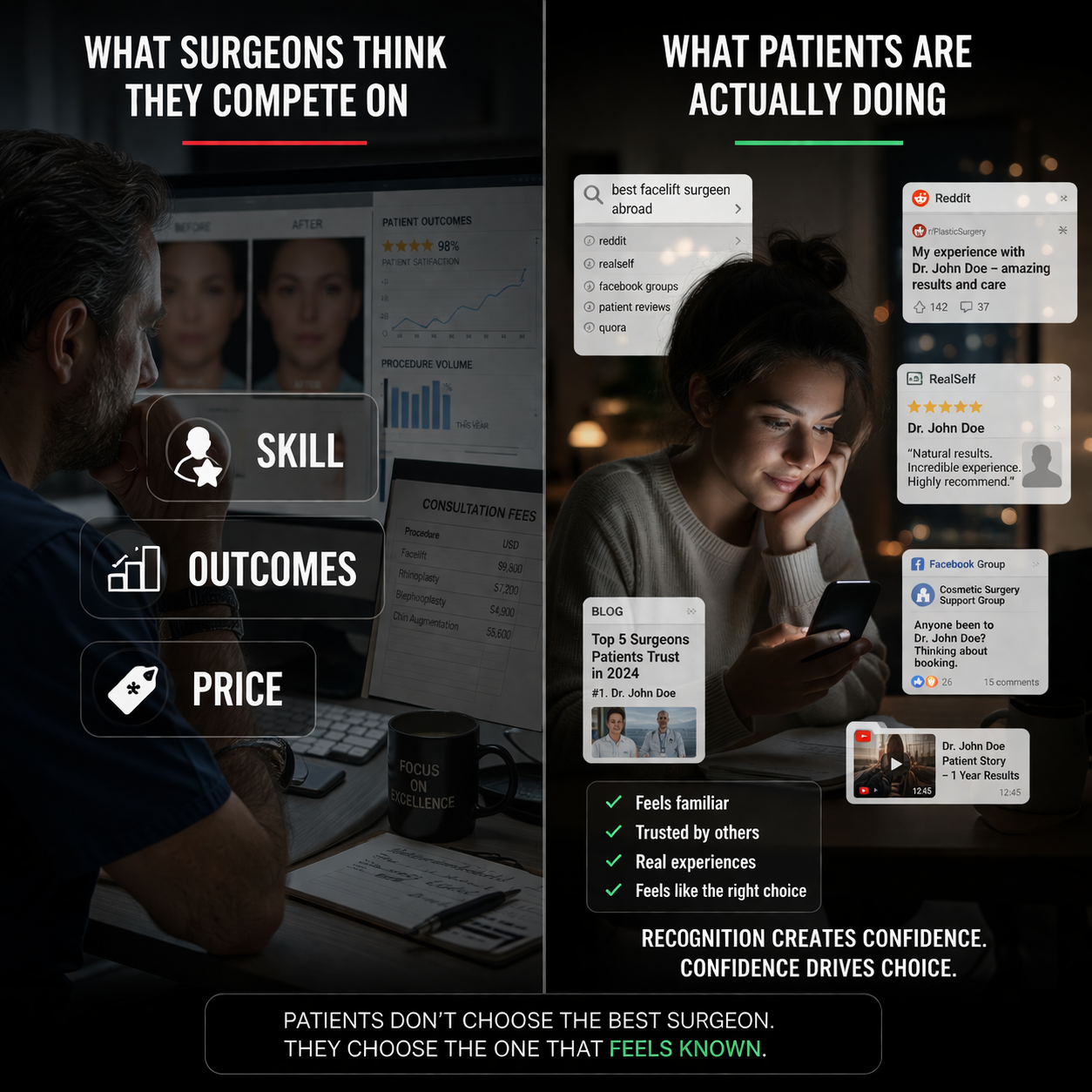
Google's E-E-A-T framework promises to reward authentic expertise, but "Googlecide" threatens even quality websites with sudden traffic drops. Most traffic loss doesn’t start in rankings. It starts earlier, in why decisions are made before search even begins. With AI Overviews slashing click-through rates by up to 34%, which strategy actually protects your content from algorithm chaos?
Key Takeaways
- E-E-A-T (Experience, Expertise, Authoritativeness, Trustworthiness) is Google's content quality framework that rewards genuine expertise and real-world experience over keyword-stuffed content
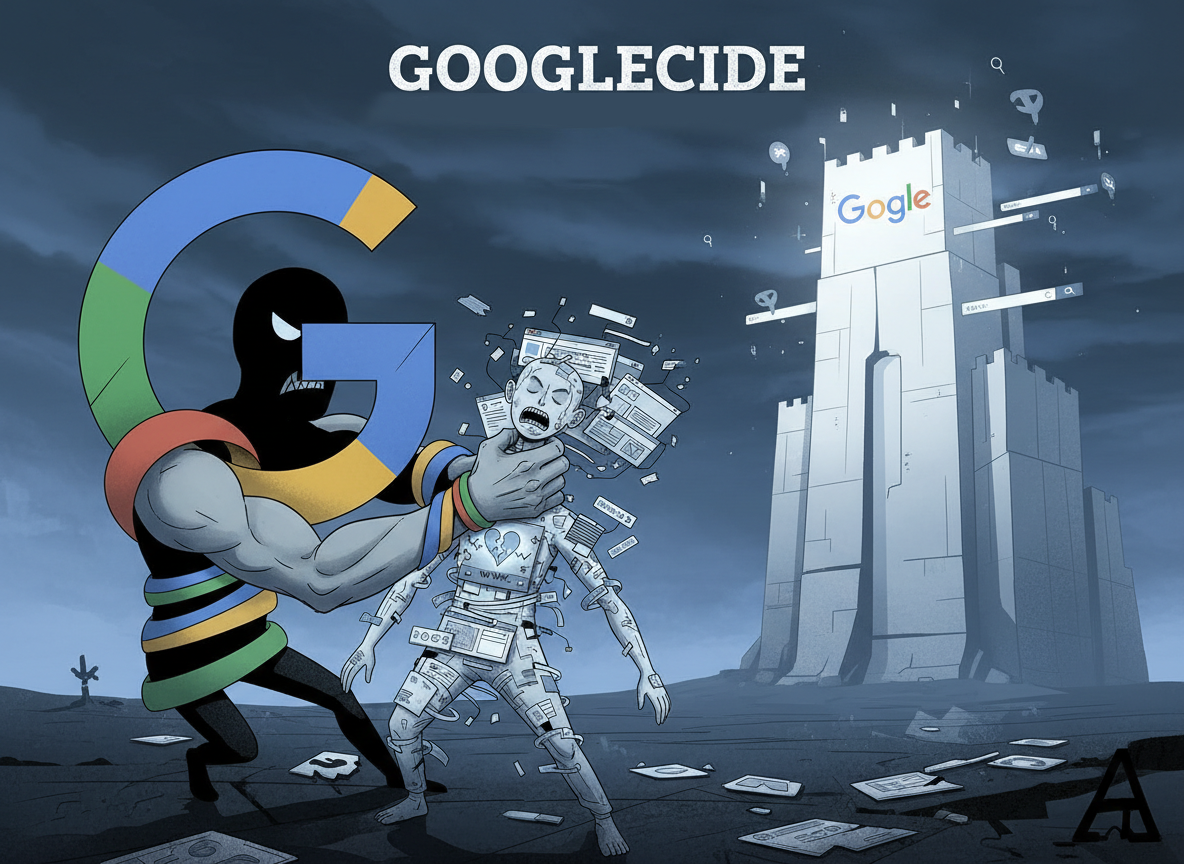
- "Googlecide" describes the risks websites face from Google's algorithm volatility and antitrust actions that can suddenly impact search rankings and traffic
- AI Overviews have reduced click-through rates significantly for top-ranking positions, with studies showing varying impacts from 15% to 34% depending on query type
- Strong E-E-A-T implementation provides the best defense against future search disruptions and ranking volatility
The digital marketing landscape faces two competing forces that every content creator must understand. Google's E-E-A-T framework rewards authentic expertise and quality content, while "Googlecide" threatens established websites through algorithmic changes and regulatory disruptions.
E-E-A-T Builds Long-Term Content Authority Through Proven Quality Signals
Google's E-E-A-T framework evaluates content based on Experience, Expertise, Authoritativeness, and Trustworthiness. This system prioritizes real-world knowledge over theoretical information. Content creators who demonstrate actual experience with their topics earn higher trust signals from both Google's algorithms and human quality raters.
The framework isn't a direct ranking factor, but optimization around these principles influences search performance over time. Google's Search Quality Rater Guidelines use E-E-A-T to assess content, which then influences how Google's algorithms rank pages.
Experience requires documenting real involvement with the subject matter through case studies, screenshots, and personal examples. Expertise demonstrates deep knowledge through qualifications, background, and teaching ability. Authoritativeness builds through media mentions, high-trust backlinks, and industry recognition. Trustworthiness establishes credibility through clear sourcing, transparency, and accurate information. JCH Digital helps businesses develop content strategies that align with these quality standards.
Googlecide Concept Threatens Website Visibility Through Algorithm Volatility and Antitrust Actions
"Googlecide" describes the potential devastation websites experience when Google's search dominance faces regulatory challenges or algorithm updates create sudden ranking shifts. This term captures the fear many content creators have about their traffic disappearing overnight due to forces beyond their control.
March 2024 Core Update and Spam Update Target Low-Quality Content but Create Ranking Uncertainty
Google's March 2024 Core Update and concurrent Spam Update aimed to demote low-value SEO content while promoting helpful, reliable results. However, these updates created significant ranking volatility for many legitimate websites. While the algorithm changes focused on reducing manipulative SEO tactics, they also affected sites that relied heavily on traditional optimization methods without strong E-E-A-T signals. Google noted that sites impacted by the Helpful Content Update might see bigger changes when core updates happen.
Website owners reported dramatic traffic drops despite maintaining content quality standards. The update targeted manipulative SEO tactics but inadvertently impacted quality content that didn't align with new ranking signals.
Department of Justice Antitrust Remedies Force Data Sharing and End Google's Exclusive Deals
The Department of Justice's antitrust case resulted in significant remedies that prohibit Google from entering or maintaining exclusive contracts with browser developers and device manufacturers. These rulings terminate Google's exclusive deals that made Google applications the default option across devices and browsers.
The court's decision requires Google to make certain data available to rivals and provide data sharing services to enhance competition in search and AI markets. This regulatory shift creates uncertainty about how search results will evolve as competitors gain access to previously restricted data and market opportunities.
AI Overviews Reduce Click-Through Rates with Varying Impact Across Query Types
Google's AI Overviews feature answers questions directly on search results pages, significantly reducing traffic to websites. Studies show varying impacts depending on query type: Ahrefs found a 34.5% drop in click-through rates for informational keywords when AI Overviews appeared, while Amsive's study across 700,000 keywords revealed an average CTR decline of 15.49%, with non-branded searches suffering nearly 20% drops and branded queries seeing an 18.7% CTR boost.
This shift represents a fundamental change in search behavior where Google provides immediate answers rather than directing users to external content. Content creators must adapt strategies to capture value from reduced organic traffic while maintaining visibility in an AI-driven search environment.
How E-E-A-T Framework and Googlecide Risks Impact Your Content Strategy Differently
E-E-A-T and Googlecide require distinct strategic approaches. E-E-A-T focuses on building sustainable content authority through proven quality signals, while Googlecide demands defensive strategies against external threats to search visibility.
E-E-A-T Framework Requires Experience Documentation and Authority Building Through Human Review Standards
Successful E-E-A-T implementation demands thorough documentation of real experience and systematic authority building. Content must demonstrate genuine expertise through detailed case studies, specific examples, and transparent sourcing. Google's human quality raters evaluate content against these standards, making authentic experience vital for long-term success.
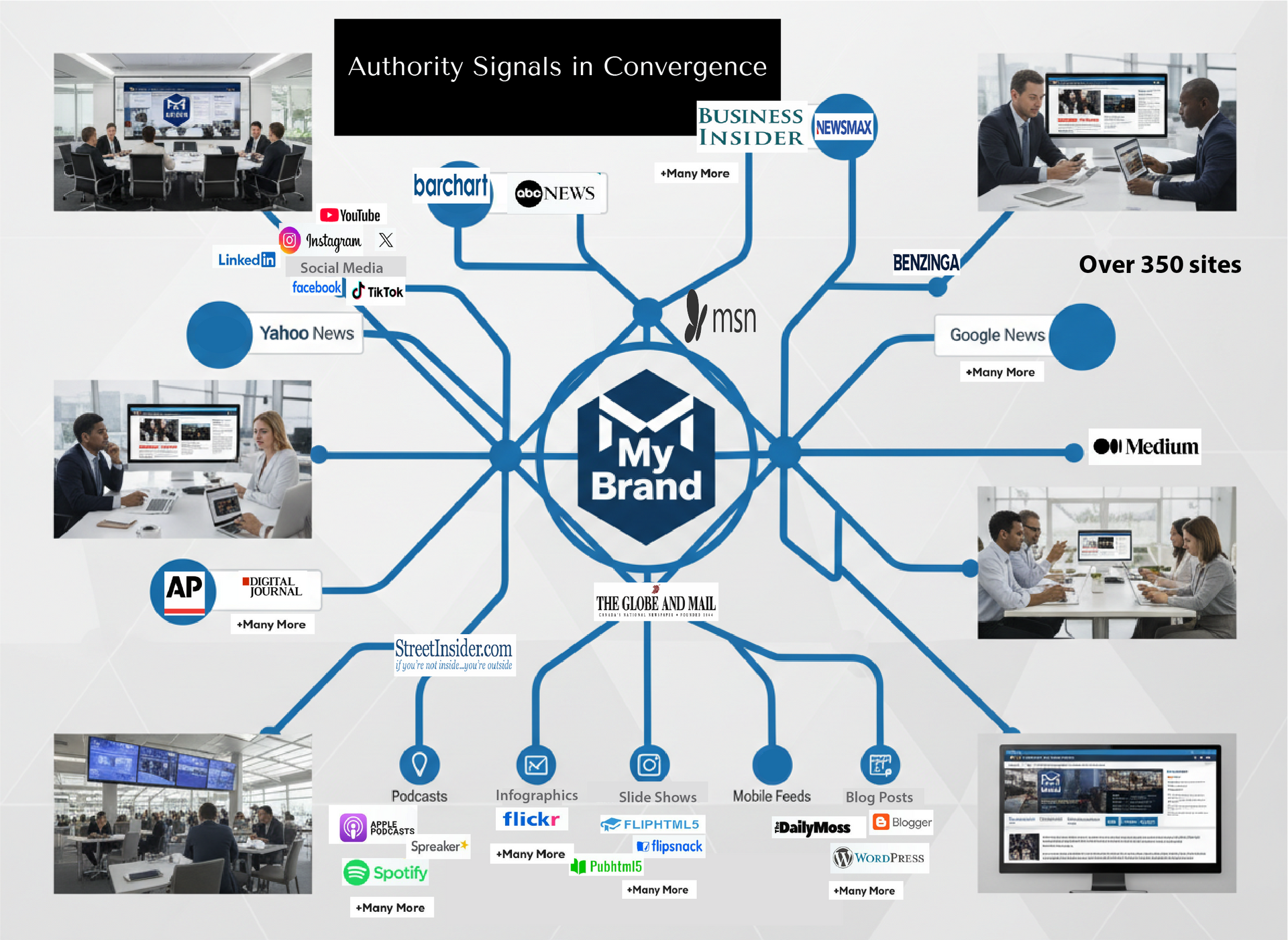
Authority building requires earning high-trust backlinks from reputable sources, securing media mentions, and establishing industry recognition. The process takes time but creates durable competitive advantages that withstand algorithm changes better than sites relying solely on technical SEO tactics.
Googlecide Risks Demand Traffic Diversification as AI Overviews Reshape Search Behavior
Protecting against Googlecide requires diversifying traffic sources beyond organic search. Content creators must develop direct relationships with audiences through email lists, social media platforms, and alternative search engines. This diversification reduces dependence on Google's algorithm changes and regulatory disruptions.
The rise of AI Overviews forces content strategies to evolve beyond simple search optimization. Successful creators now focus on building brand recognition and direct traffic sources that survive reduced click-through rates from search results pages.
E-E-A-T Optimization Tactics That Protect Against Ranking Drops
Implementing specific E-E-A-T tactics strengthens content against both algorithm updates and competitive pressure. These strategies build authentic authority that survives search landscape changes.
1. Document Real Experience with Screenshots and Case Studies
Authentic experience documentation requires specific evidence of real-world involvement. Include screenshots of actual results, detailed case studies with measurable outcomes, and personal examples that demonstrate hands-on knowledge. This documentation differentiates expert content from theoretical information that lacks practical application.
Case studies should include specific metrics, timelines, and lessons learned from actual projects. Screenshots provide visual proof of claimed experience while protecting sensitive client information through appropriate redaction techniques.
2. Build Authority Through High-Trust Backlinks and Media Mentions
Authority building requires earning recognition from established industry sources. Focus on securing backlinks from high-domain authority websites, industry publications, and reputable news sources. Media mentions and interview opportunities demonstrate external validation of expertise.
Guest posting on respected platforms, contributing expert commentary to industry discussions, and participating in professional conferences build authority signals that Google's algorithms recognize and reward over time.
3. Establish Trustworthiness with Clear Sourcing and Transparency
Trustworthiness requires transparent communication about sources, qualifications, and potential conflicts of interest. Include clear author bios, contact information, and privacy policies. Cite reputable sources for claims and statistics while avoiding unverified information.
Website security measures, professional design, and clear business information contribute to trust signals. Regular content updates and fact-checking procedures demonstrate ongoing commitment to accuracy and reliability.
4. Conduct Regular E-E-A-T Audits to Systematically Evaluate Content Quality and Trust Signals
Regular E-E-A-T audits provide systematic evaluation of content quality and trust signals. Review existing content for experience documentation, expertise demonstration, authority indicators, and trustworthiness elements. Identify gaps where additional evidence or sources strengthen credibility.
Audit processes should examine author credentials, source quality, content accuracy, and user experience factors. This systematic approach identifies improvement opportunities before algorithm updates expose weaknesses in content quality.
Preparing for Google's Changing Search Environment Through Content Quality Focus
The search environment continues evolving through regulatory pressure and technological advancement. Content creators who prioritize quality over manipulation position themselves for success regardless of specific algorithm changes or competitive disruptions.
Quality-focused strategies emphasize building genuine expertise, documenting real experience, and establishing authentic authority within specific niches. These approaches create sustainable competitive advantages that survive both Googlecide risks and E-E-A-T compliance requirements.
Strong E-E-A-T Implementation Offers Your Best Defense Against Future Search Disruptions
E-E-A-T implementation provides the most reliable protection against search disruptions because it aligns with Google's fundamental goal of serving helpful, reliable content to users. Strong E-E-A-T signals indicate content quality that survives algorithm updates and regulatory changes.
Content creators who invest in authentic expertise documentation, systematic authority building, and transparent trustworthiness measures build resilient digital assets. These investments pay dividends across multiple algorithm updates while establishing foundations for success in evolving search environments.
The contrast between E-E-A-T's quality focus and Googlecide's external threats highlights why sustainable content strategies must prioritize authentic value creation over short-term optimization tactics. Quality content that genuinely serves user needs remains valuable regardless of search environment changes.
Why Google Crawls a Page… and Still Doesn’t Index It
This is where most people get it wrong.
They assume if Google finds a page, it will include it.
It won’t.
Google crawls far more pages than it ever indexes. Every page gets evaluated, then filtered. If it doesn’t pass that filter, it gets skipped. Quietly.
No penalty. No warning. Just ignored.
So what triggers that decision?
1. Nothing signals urgency
- If a page looks like one of many, it gets treated like one of many.
- No strong internal links. No external references. No clear role in the site.
- It exists, but it doesn’t matter.
2. The content feels interchangeable
- If your page could be swapped with ten others and nothing changes, Google has no reason to keep it.
- It’s not about quality in the traditional sense.
It’s about distinct value.
3. It sits in a weak structure
- Pages buried in blog feeds or long lists get deprioritized.
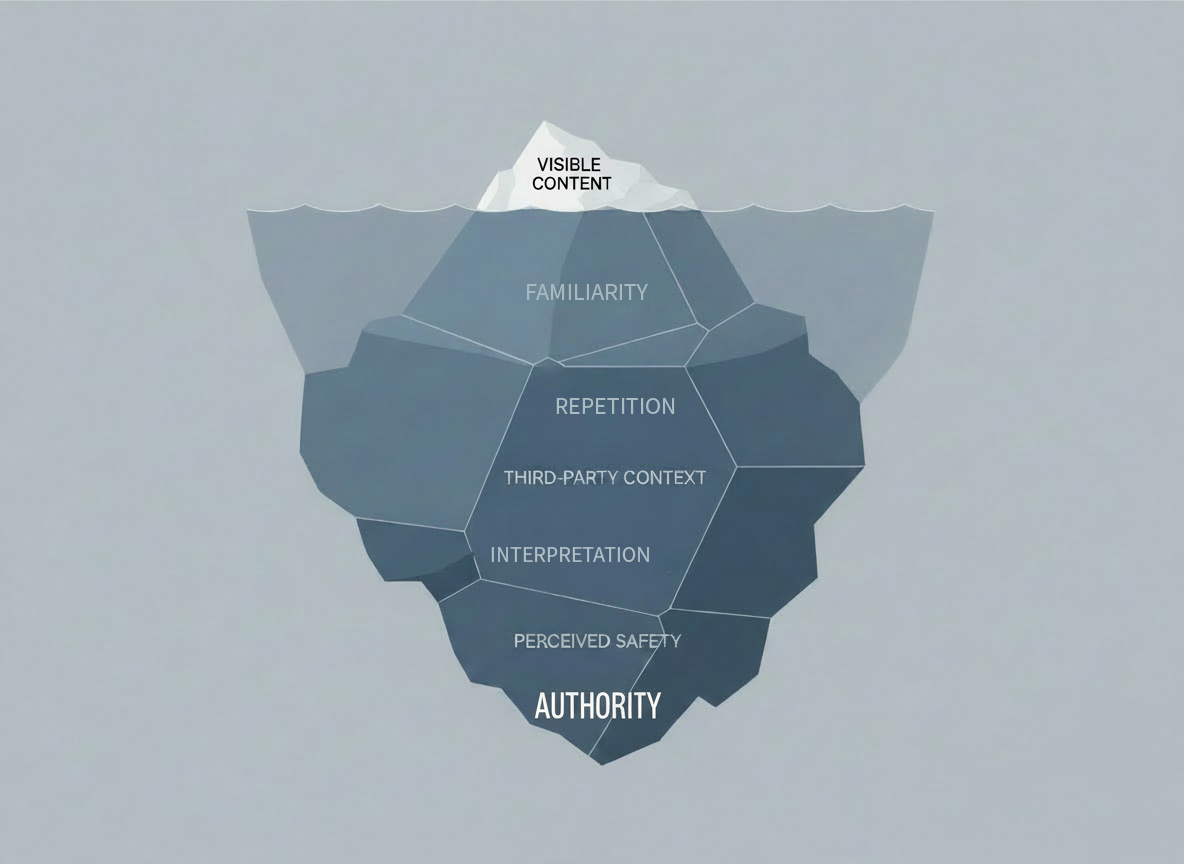
- Google doesn’t just read content. It reads structure including how authority signals shape visibility before search.
- If your site doesn’t highlight the page, Google won’t either.
4. There’s no reinforcement outside your site
- Google looks for confirmation, especially after what Google actually changed with its content updates.
- If no other source references or reflects that page’s topic, it gets treated as low priority.
- This is why some pages index instantly, and others sit in “crawled, not indexed” indefinitely.
What Actually Changes That Outcome
You don’t need to “optimize harder.”
You need to shift how the page is positioned.
- Link to it from pages that already carry weight
- Make its role obvious within your site
- Add something that isn’t repeated elsewhere
- Give Google a reason to come back and look again
Indexing isn’t automatic.
It’s selective.
And most pages aren’t skipped because they’re broken.
They’re skipped because they’re optional.
Ready to see where your authority stands?
Your name can be visible and still fail to create trust before comparison begins.
If you want to understand how your current authority signals are working, start here.
Request an Authority Compatibility Audit below
Request an Authority Compatibility Audit
Most decisions are made before outreach. Explore how authority, repetition, and context shape trust long before buyers compare options in our Digital World.
Digital World