Buyer questions · Channel authority · Growth
Get chosen before patients start comparing.
Find out if your hospital or clinic is showing up when potential patients ask AI who they should choose.
No commitment. Start by seeing where you stand.
JCH Digital helps hospitals, clinics and medical tourism providers reach international patients actively researching treatments, procedures and healthcare options abroad. By improving your visibility in ChatGPT, Google AI and other AI-powered search platforms, we help put your organization in front of prospective patients when they're deciding where to go, who to trust and which provider to contact.
AS SEEN ON














Are International Patients Finding You Before They Find Your Competitors?
The decision starts early
Your next patient may be researching you right now.
Before calling, booking or buying, patients are looking for answers.
They may be asking:
Which hospitals specialize in the procedure I need?
How do I know if an overseas surgeon is qualified?
Is it safe to travel abroad for medical treatment?
How much will my treatment cost compared to having it done at home?
Which hospitals have the best reputation for international patient care?
Looking for JCH Digital Growth?
If you’re here because we contacted you about AI visibility for your business, you’re in the right family, just not quite the right place.
JCH Digital focuses on medical tourism.
For AI Visibility Checks, Reports, and Services for businesses in all other industries, visit: growth.jchdigital.ca
See how your business shows up when potential customers ask AI who to choose.
What happens if I need follow-up care after returning home?
Which hospitals have experience with international patients?
What are the differences between these hospitals or clinics?
Which providers can I trust?
Research happens across devices, channels and moments.
They search Google. They ask AI. They watch videos. They read articles. They check social media and look for proof.
The hospitals/clinics/surgeons they discover during that research have an advantage.
Are you one of them?
Your $2,500 USD International Authority Assessment includes:
Full AI Visibility Report: How the organization appears across ChatGPT, Claude, Gemini, Perplexity, and Google AI.
Cross-Border Discovery Analysis: How prospective North American patients may discover the organization through English-language searches.
Competitive Authority Analysis: How the organization compares with relevant international competitors.
Authority Exposure Review: Where the organization appears across search, media, and other third-party sources.
Strategic Positioning Recommendations: Identified gaps, opportunities, and priorities for developing international authority.
30-Minute Private Consultation: Review of the findings and recommended next steps.
The full assessment fee is credited toward an International Authority Multiplier Protocol engagement if you proceed within 30 days.
If Patients Can't Find You, They Can't Choose You.
Your surgeons may be highly qualified. Your facilities may be exceptional. Your patient outcomes may be excellent.
But patients need to discover your organization before any of that can influence their decisions.
JCH Digital helps hospitals, surgeons, specialty clinics, and medical tourism organizations improve how they are discovered, understood, and recognized by international patients.
Being found is the first step. Becoming the obvious choice is the goal.
Find Out What AI Is Saying About You
Patients are asking AI about treatments, hospitals, surgeons, and medical care abroad.
But which organizations are appearing in those answers?
Our International Authority Assessment examines your visibility across ChatGPT, Claude, Gemini, Perplexity, and Google AI.
Discover:
Whether your organization appears in relevant patient questions
Which competitors are appearing instead
How AI represents your expertise and services
Where opportunities exist to improve visibility
Get Recognized Before Patients Start Comparing
Visibility helps patients discover you. Authority gives them reasons to recognize, investigate, and consider your organization.
JCH Digital creates international authority campaigns that answer patient questions across articles, videos, podcasts, infographics, and other media formats.
Each campaign starts with one strategic topic, developed into eight channel-specific formats and distributed across hundreds of websites and platforms.
One topic. Eight formats. Hundreds of opportunities to be discovered.
[Explore International Authority Services]
Healthcare Experience Behind the Strategy
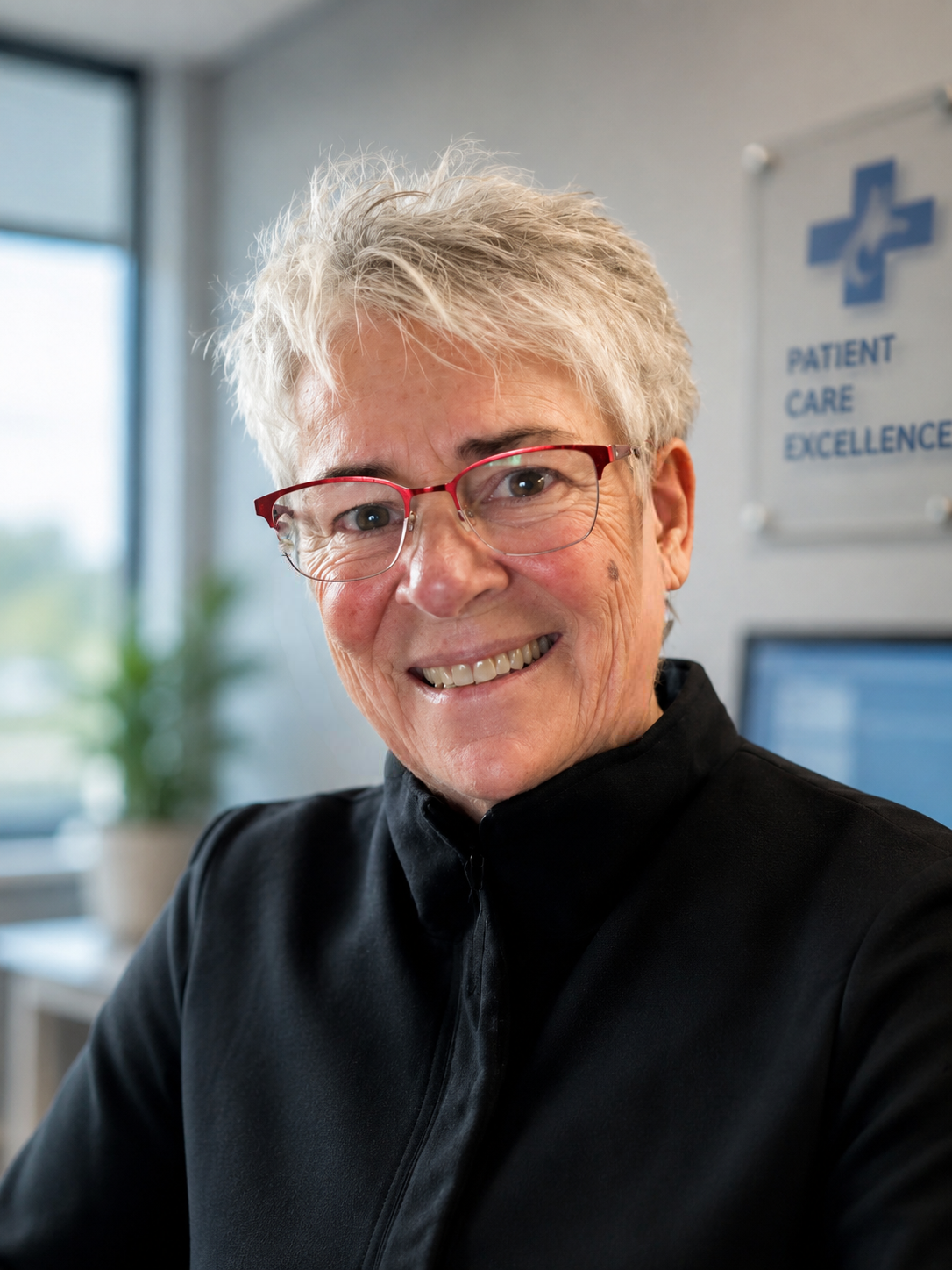
Alison Prentice
Former Director of Nursing
JCH Digital is led by Alison Prentice, a former Director of Nursing who brings clinical leadership and healthcare operations experience to international authority development.
Understanding patient concerns, perceived risk, and the importance of credible healthcare information shapes how we approach international patient discovery and trust.
[Learn More About Our Approach]
Published Articles & Independent Media
Explore published commentary, media features, and authority briefings examining medical tourism, patient trust, and the factors influencing healthcare decisions.
[Explore Published Articles]
Your competitors don't have to be better to get considered first.
They may simply be easier to discover.
If another surgeon or hospital keeps appearing while patients research and yours doesn't, they're building familiarity before you even know that patient exists.
Your Next International Patient Is Already Looking for Answers
Will they find your organization or your competitors?
Discover how your organization appears across AI platforms and international research environments.
Questions About Working With JCH Digital
Our hospital has excellent doctors, facilities, and patient outcomes. Why aren't more international patients finding us?
Clinical excellence and online discoverability are two different things.
Your hospital may offer exceptional care, but prospective patients researching treatment abroad won't necessarily encounter that information.
They may find competing hospitals through AI recommendations, search results, independent articles, videos, and other sources before they ever visit a hospital website.
We help make your expertise, treatments, and capabilities more discoverable by answering the questions patients research, with content published across relevant channels.
Why do competing hospitals appear in AI recommendations when we don't?
AI systems don't recommend hospitals simply because those hospitals provide excellent care.
Their responses depend on the information available to them, how questions are phrased, and how their systems retrieve and evaluate information.
A competitor may have a stronger presence across sources that AI systems encounter.
Our International Authority Assessment examines how your organization and its competitors appear in AI-generated answers, helping identify gaps and opportunities.
We're already spending money on digital marketing. What would you do differently?
Many healthcare marketing programs focus on paid advertising, search rankings, website traffic, and lead generation.
Those activities have value. But they don't necessarily establish your organization as a recognized option across the different places international patients research treatment.
We focus on developing and distributing content that answers relevant patient questions across multiple channels.
The objective is to strengthen your presence before prospective patients reach the point of contacting or comparing hospitals.
How can we reach international patients before they've shortlisted other hospitals?
By becoming part of the information they encounter during their earliest research.
Patients may begin by asking which countries offer a particular treatment, how to evaluate overseas hospitals, what procedures cost, or which providers specialize in their condition.
These questions create opportunities to introduce your organization, its expertise, and its services before patients narrow their choices.
Our work focuses on identifying relevant questions and placing useful answers across the channels patients use.
Where will information about our hospital actually appear?
We help you attract more international patients by answering the questions they research, with content published wherever they look.
A single topic is developed into multiple formats, including articles, news releases, infographics, slideshows, podcasts, and videos.
These are distributed across relevant media, content, audio, and video platforms to reach prospective patients through different channels.
The priority isn't simply the number of placements. It's publishing relevant answers to the questions international patients are already asking.
Why should we invest in authority building instead of spending more on advertising?
Advertising and authority building serve different purposes.
Paid advertising generates exposure while you're paying for it. When the campaign stops, that paid exposure generally stops too.
Strategically distributed content can continue being discovered long after its initial publication.
As your organization appears across independent sources, those placements can reinforce one another, building familiarity, recognition, and credibility over time.
Advertising buys attention. Authority builds recognition that can outlast the campaign.
The two approaches can complement each other, but they don't create the same long-term value.
How soon could we start seeing results?
Content can begin appearing across participating platforms relatively quickly after publication.
Those placements create opportunities for discovery from the time they're published.
Building broader recognition and authority takes longer. The timeline depends on your existing presence, competition, target markets, and the treatments being promoted.
Authority develops as credible information about your organization accumulates across relevant channels.
While no specific timeline or AI recommendation can be guaranteed, each campaign adds to the organization's published authority footprint.
How does authority continue building after a campaign ends?
Unlike paid advertisements, published articles, videos, podcasts, and other content can remain accessible after the initial campaign is complete.
These assets create an expanding body of information about your organization across independent channels.
As additional placements are published, they reinforce the recognition and credibility established by earlier campaigns.
This is how authority compounds.
A campaign doesn't have to continue running for its published content to retain value. New campaigns build on the existing foundation, expanding your organization's presence rather than starting from zero.
The continued availability and prominence of individual placements will vary by platform.
How will we know whether our international visibility is improving?
Improvement can be evaluated through published placements, the channels where your organization appears, competitive visibility comparisons, and changes in AI-generated responses.
These measures help establish whether your organization is becoming more discoverable across relevant information sources.
Actual patient inquiries and bookings are separate measures that your organization can track through its own patient acquisition systems.
Our focus is on strengthening the visibility and authority that help prospective patients discover and consider your organization.
Can you guarantee that we'll attract more international patients?
No responsible marketing provider can guarantee patient bookings.
International patients make decisions based on clinical expertise, treatment suitability, costs, reputation, communication, travel requirements, and individual circumstances.
What we can do is help your organization become more discoverable by publishing relevant information across channels prospective patients use during their research.
The objective is to give your organization more opportunities to be found, recognized, and considered before patients make their decisions.
We help you attract more international patients by answering the questions they research, with content published wherever they look.

Navigation
Copyright 2026. JCH Digital. All rights reserved.